
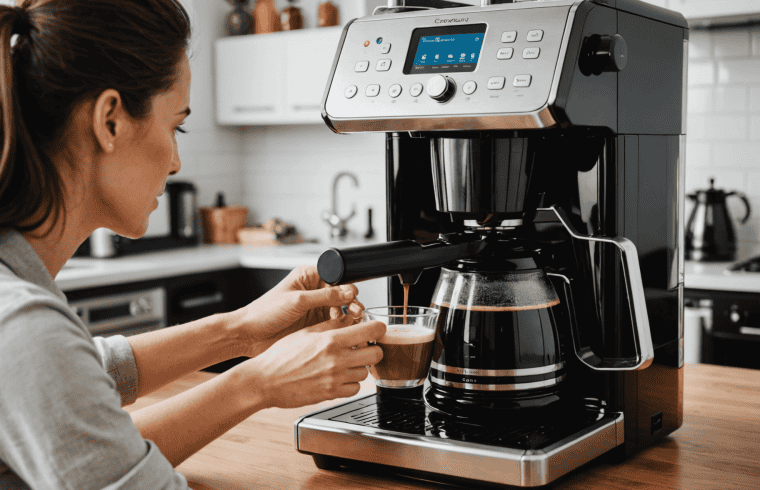
A fresh cup of coffee to start the day needs a clean coffee maker to deliver the best taste. Over time, mineral buildup, coffee oils, and tiny leftovers hide inside, ruining flavor and wearing down the machine. Regular cleaning keeps every brew tasting great and makes the coffee maker last longer. Discover how simple it is to keep your machine running smoothly and enjoy perfect coffee every morning. Keep reading to unlock the secret to coffee that feels like a morning hug.
Many coffee enthusiasts overlook regular cleaning, assuming that simply rinsing the machine once in a while is enough. However, neglecting routine maintenance can lead to clogging, bad odors, and even mold growth. Learning how to clean your coffee maker properly is an investment in better flavor and a longer lifespan for your appliance. In this guide, we will walk you through effective cleaning techniques, tips, and methods to keep your machine in top condition so you can enjoy perfect coffee every time.
Understanding Why Regular Cleaning Is Crucial for Your Coffee Maker
The Impact of Mineral Build-Up and Coffee Oils
Your water source contains minerals like calcium and magnesium. When water heats inside your coffee maker, these minerals precipitate and form deposits, often called limescale. This build-up can clog internal components, reducing water flow, and impairing extraction. Additionally, coffee oils and residues can accumulate, leading to stale flavors or unpleasant odors.
Frequent cleaning prevents these issues and helps maintain optimal brewing conditions. Without regular upkeep, mineral deposits can become stubborn, requiring more intensive cleaning or even replacement of parts. Maintaining your machine ensures consistent flavor and prolongs its functional life.
How Often Should You Clean Your Coffee Maker
The frequency of cleaning depends on usage and water hardness, but a general rule is as follows:
- After every 1 to 2 weeks of regular use, rinse and clean removable parts.
- Perform a deep cleaning with descaling solutions every 1 to 3 months.
For households with hard water, more frequent descaling may be necessary. Conversely, if you use filtered or soft water, you might stretch these intervals slightly. Recognizing signs like slow brewing, strange tastes, or bad odors indicates that your machine needs cleaning sooner.
Step-by-Step Guide to Clean Your Coffee Maker Properly
Gather the Necessary Supplies
- White vinegar or descaling solution
- Baking soda
- Soft cloth or sponge
- Cleaning brush or toothbrush
- Fresh water
Having these items ready makes the cleaning process more efficient and thorough. Vinegar is a natural descaler, while baking soda neutralizes odors and cleans stubborn residues.
Cleaning and Descaling Your Coffee Maker
Descaling with Vinegar or Commercial Solutions
- Fill the water reservoir with equal parts white vinegar and water. If your machine has a large capacity, use enough to fill it completely.
- Run a brewing cycle without coffee grounds. Let the vinegar solution pass through the system.
- Once the cycle completes, turn off the machine and let it sit for about 15-20 minutes to allow the vinegar to dissolve mineral deposits.
- Run another hot water cycle using fresh water to rinse away any vinegar residue.
Repeat this process every 1-3 months depending on water hardness. For machines with stubborn build-up, you might need to repeat the process or use a commercial descaling product designed specifically for coffee makers.
Cleaning Coffee Maker Parts and Internal Components
Removing Coffee Oils and Residues
Besides descaling, cleaning removable parts like the filter basket, carafe, and water reservoir is vital. Wash these with warm, soapy water and a soft cloth or sponge. For stubborn coffee oils, sprinkle baking soda on a damp sponge and scrub gently.
Pay particular attention to the filter basket and carafe, as residual oils can taint the flavor of future brews. Rinsing thoroughly ensures no soap or baking soda taste remains.
Cleaning Internal Components
Some coffee makers have internal components accessible for cleaning. If your machine has a cleaning cycle feature, follow the manufacturer’s instructions. Otherwise, use a damp cloth to wipe external surfaces and accessible internal parts, avoiding water contact with electrical components.
Maintaining Your Coffee Maker for Long-Term Performance
Besides routine cleaning, some maintenance habits help prolong your machine’s life. Regularly replacing water filters (if your machine uses one) ensures water quality and prevents mineral build-up. Avoid leaving coffee or water in the machine overnight to prevent mold. Using filtered or softened water reduces mineral deposits, making descaling easier and less frequent.
Common Mistakes to Avoid When Cleaning Your Coffee Maker
- Using harsh household chemicals not recommended for appliances, which can damage internal parts.
- Neglecting thorough rinsing after descaling, leading to residual vinegar or cleaner taste.
- Ignoring signs of mold or buildup, which can pose health risks.
- Ignoring manufacturer cleaning instructions, which may specify cleaning cycles or cleaning agents to use.
Following manufacturer guidelines and taking care to use safe cleaning agents ensures your machine remains healthy and functional.
Tips for Best Coffee Flavor Every Time
- Clean your coffee maker regularly to avoid flavor contamination.
- Use fresh, filtered water for better taste and less mineral deposit build-up.
- Always rinse thoroughly after cleaning steps to prevent lingering tastes.
- Consider replacing old filters and parts to maintain optimal brewing conditions.
Proper cleaning is a simple yet essential step in brewing great coffee consistently.
Conclusion: Keep Your Coffee Maker in Top Shape
Knowing how to clean your coffee maker properly is key to enjoying flavorful coffee and extending your machine’s lifespan. Regular maintenance, including descaling and cleaning of removable parts, prevents mineral buildup, mold, and stale flavors. The process is straightforward, requiring just a few supplies and routine attention. By incorporating these cleaning tips into your coffee routine, you’ll ensure each cup tastes as fresh as the first.
If you’re unsure about your specific coffee maker model or want expert advice, visiting a coffee maker expert website can provide additional guidance and tips tailored to your machine. Taking good care of your coffee maker guarantees that your mornings always start with the perfect brew. So, set a routine, gather your supplies, and make cleaning a regular part of your coffee preparation. Your taste buds—and your machine—will thank you for it.