
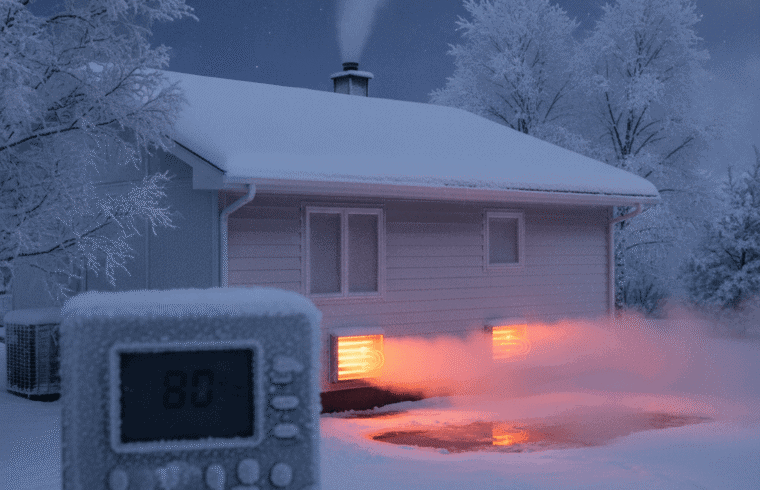
I often hear homeowners wonder about their heat pump systems and the mysterious “auxiliary heat” indicator. It can be a little unsettling to see that light come on especially when you are just trying to keep your home warm. People sometimes worry it means something is wrong with their heating system or that they are suddenly spending too much on energy bills.
Understanding why auxiliary heat activates is key to appreciating how your heat pump works. This feature is a normal part of your system’s operation not usually a sign of a problem. It simply means your heat pump needs a little extra help to keep your home comfortable in certain situations.
In this article, I will explain the common reasons why auxiliary heat kicks in. We will look at what causes it and how you can ensure your system runs efficiently. My goal is to clear up any confusion and help you feel more confident about your home’s heating.
Understanding Your Heat Pump System
Heat pumps are truly smart systems designed to provide both heating and cooling for your home. Unlike a furnace that burns fuel to create heat a heat pump works by moving heat from one place to another. In the winter it extracts heat from the outside air and transfers it inside. In the summer it reverses this process moving heat from indoors to outdoors.
This heat transfer method makes heat pumps very energy efficient especially in milder climates. The primary heat source for your home comes from this heat transfer process. It is the most economical way your heat pump warms your living space and it handles the majority of your heating needs throughout the year.
However there are times when the heat pump alone cannot keep up with demand. This is when the auxiliary heat steps in. Auxiliary heat is typically a set of electric resistance heating coils or a secondary furnace. It acts as a backup or supplemental heat source designed to assist the heat pump during challenging conditions.
It is important to remember that auxiliary heat is an expected part of the heat pump system. It is not something to fear or automatically assume is a malfunction. We rely on the heat pump for its primary heating function and the auxiliary heat is there to ensure comfort when the primary system needs assistance.
The Core Reasons Why Auxiliary Heat Activates
Auxiliary heat on your heat pump activates for a few primary reasons. These reasons are mostly related to the limitations of heat pump technology and specific operational needs. Understanding these triggers can help you realize that your system is working as intended.
The most common reason is when the outdoor temperature drops too low for the heat pump to efficiently extract enough heat. Heat pumps are less efficient in extreme cold. Another frequent cause is a sudden jump in your thermostat setting which demands a quick increase in indoor temperature. Lastly the defrost cycle of your outdoor unit also triggers auxiliary heat to maintain comfort.
Sometimes auxiliary heat might turn on because of system issues but these are less common than the operational reasons. I always suggest starting with the normal operational explanations before looking for problems. Most of the time the system is simply doing its job to keep your home warm.
When the Outside Air Gets Too Cold
Heat pumps work best when the outdoor temperature is moderate. As the mercury drops it becomes harder for the heat pump to absorb enough heat from the outside air to warm your home efficiently. Most heat pumps have a balance point usually between 30 and 40 degrees Fahrenheit.
Below this balance point the heat pump’s capacity to heat your home decreases significantly. This means it has to work much harder and longer to achieve the desired indoor temperature. It might not even reach the set temperature on its own. So when the outdoor temperature dips below this threshold the auxiliary heat activates. It supplements the heat pump ensuring your home stays warm and comfortable.
This is a completely normal function. It is the system’s way of telling you “I need a little help here” to maintain the warmth you expect during colder weather. The auxiliary heat provides that boost of warmth that the heat pump cannot deliver efficiently on its own in very cold conditions.
Rapid Temperature Adjustments Indoors
Another common scenario for auxiliary heat activation involves sudden thermostat changes. If you come home to a cold house and crank your thermostat up many degrees at once your heat pump system will engage auxiliary heat. For instance if your thermostat is set to 65 degrees and you suddenly raise it to 72 degrees the system interprets this as a demand for rapid heating.
The heat pump on its own is designed for gradual temperature changes. It provides a steady flow of warmth. When there is a large temperature gap to close quickly the auxiliary heat steps in to provide that immediate strong burst of heat. This helps your home reach the new target temperature much faster.
This behavior is more about speed than efficiency. The auxiliary heat provides a quick recovery of temperature. If you prefer to slowly adjust your thermostat or use a programmable thermostat to maintain a consistent temperature the auxiliary heat will activate less often for this reason. This gradual approach allows the heat pump to work within its most efficient range.
The Defrost Cycle and Auxiliary Heat
During colder weather your outdoor heat pump unit can accumulate ice or frost on its coils. This happens because the unit is extracting heat from the cold outdoor air and moisture in that air can freeze on the cold coil surfaces. A buildup of ice significantly reduces the heat pump’s ability to efficiently transfer heat into your home.
To prevent this heat pumps have an automatic defrost cycle. During this cycle the system temporarily reverses its operation. It sends warm refrigerant to the outdoor coil which melts the accumulated ice. This is similar to how your air conditioner works in reverse for a short period.
While the outdoor unit is in defrost mode it is not heating your home. To prevent a noticeable drop in indoor temperature the auxiliary heat automatically activates. It provides the necessary warmth during this short defrost period ensuring your comfort is not compromised. Once the defrost cycle is complete the heat pump returns to its normal heating operation and the auxiliary heat turns off.
This process is crucial for the heat pump’s long-term efficiency and functionality. Without regular defrosting the ice buildup would become severe and the unit would eventually stop working effectively. So if you see the auxiliary heat light on during a cold day it might just be your system managing its defrost cycle.
Common Misconceptions About Auxiliary Heat
Many homeowners misunderstand what auxiliary heat truly is and what its activation means. One of the biggest misconceptions is confusing it with “emergency heat.” While they are both electric resistance heating elements they function differently. Auxiliary heat comes on automatically when needed to help the heat pump.
Emergency heat on the other hand is a manual setting you select on your thermostat. It completely bypasses the heat pump and relies solely on the electric resistance coils for heat. This setting should only be used when your heat pump is not working at all. Running emergency heat constantly can be very expensive because electric resistance heating uses a lot of energy. This is why you need to understand why emergency heat stays on to avoid unnecessary energy costs.
Another myth is that if auxiliary heat activates it means your system is broken. This is not true most of the time. As I have explained auxiliary heat is a normal operational component designed to assist the heat pump during specific conditions. It is there to ensure your comfort when the heat pump’s efficiency is reduced or when there is a high demand for heat. Only if auxiliary heat runs constantly or in mild weather without reason should you suspect a problem.
The Difference Between Auxiliary and Emergency Heat
It is important to clarify the distinction between auxiliary heat and emergency heat because they serve different purposes. Auxiliary heat is an automatic function. Your thermostat and heat pump control board decide when to engage it based on outdoor temperature readings or the difference between the actual and desired indoor temperature.
Emergency heat on the other hand is a manual override. You specifically choose to turn it on via your thermostat. This setting should be reserved for situations where your heat pump is experiencing a mechanical failure and cannot provide any heat at all. When emergency heat is active your heat pump’s compressor which is the main component for moving heat is completely shut off. The system then relies 100% on the more costly electric resistance coils to warm your home.
Using emergency heat for daily heating is not recommended due to its high energy consumption. It costs significantly more to operate compared to a heat pump with auxiliary heat assisting it. So always remember auxiliary heat is an aid for your heat pump while emergency heat is a last resort when the heat pump fails.
Troubleshooting and Maintenance Tips for Optimal Heat Pump Performance
Maintaining your heat pump system properly can minimize the activation of auxiliary heat and keep your energy bills lower. Regular maintenance ensures your heat pump operates at peak efficiency. A well-maintained system will rely less on its supplemental heating elements.
First make sure to change your air filters regularly. A dirty filter restricts airflow forcing your heat pump to work harder. This increased strain can cause the system to call for auxiliary heat more often. I suggest checking your filter once a month and replacing it every one to three months depending on usage and household conditions.
Second keep your outdoor unit clear of any obstructions. Leaves snow ice or debris can block the airflow around the coil. This hinders the heat transfer process and forces the heat pump to work less efficiently leading to more frequent auxiliary heat activation. Make sure there is at least two feet of clear space around all sides of the unit.
Third schedule annual professional maintenance. A qualified HVAC technician can inspect your entire system. They will check refrigerant levels clean coils inspect electrical components and ensure everything is running smoothly. This proactive approach catches small issues before they become major problems and helps your heat pump maintain its efficiency even in colder temperatures.
Finally consider using a smart thermostat if you do not already have one. These devices can learn your heating preferences and optimize your schedule. They can also prevent large temperature swings by gradually adjusting the temperature. This helps reduce the need for rapid heating which often triggers auxiliary heat.
Conclusion: Understanding Your Auxiliary Heat for a Warmer Home
I have explained that seeing your auxiliary heat activate is often a normal and necessary part of your heat pump’s operation. It ensures your home stays warm and comfortable even when facing cold temperatures sudden thermostat changes or during a defrost cycle. This is your system working as it should to combat the cold. Understanding these reasons can help you feel more at ease about your heating system.
Remember that auxiliary heat is there to help your primary heat pump system not to replace it. While it uses more energy than your heat pump alone it is far more efficient than constantly running emergency heat. By performing regular maintenance like changing filters and keeping the outdoor unit clear you can help your heat pump work its best. Consider professional check-ups yearly to catch small problems before they grow. If you have concerns about how often your auxiliary heat is activating or if you suspect a problem with your heat pump I encourage you to reach out to a qualified HVAC professional. They can diagnose any issues and ensure your system is running safely and efficiently. Do not hesitate to get expert advice for optimal home comfort.