Life in our suburban neighborhoods offers a distinct charm. We enjoy quiet streets, friendly faces, and a sense of belonging. But even in these peaceful settings, unexpected challenges can arise. Thinking about how our local areas handle these moments is important for everyone.
I have seen firsthand how different communities react when things go wrong. Some respond quickly and smoothly because they planned ahead. Others struggle, simply because they did not have a clear strategy. That is why I believe in the power of a strong **Residential Block Suburb Response**.
This response is about more than just reacting to emergencies. It involves building a proactive framework where neighbors, local services, and civic leaders work together. This way, we can face anything from a sudden power outage to a community-wide event with confidence and efficiency.
Understanding the Unique Dynamics of Suburban Living
Residential blocks in suburbs are special places. They are often made up of single-family homes, small parks, and local businesses. This blend creates a unique environment with its own set of needs and challenges. Understanding these characteristics helps us build better response plans.
I find that many suburban areas have a strong sense of community. People know their neighbors and often share common interests. This existing social fabric is a huge asset when creating a **Residential Block Suburb Response**. It makes organizing much easier and more natural.
The Architecture of Community Spaces
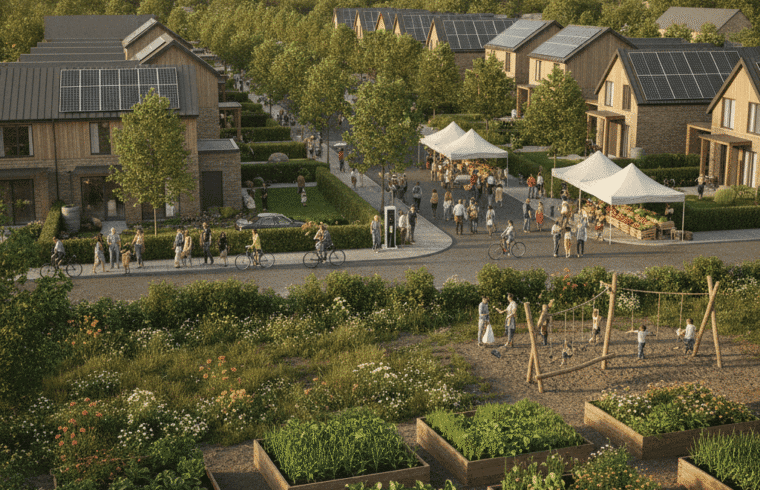
Suburbs typically feature a mix of residential housing types. We see detached homes, townhouses, and sometimes small apartment complexes. These areas are usually laid out with interconnected streets, cul-de-sacs, and green spaces. This design encourages walking and outdoor activities, which builds community spirit.
The infrastructure is another key part. We depend on local roads, sidewalks, and reliable utility systems. When these systems are stressed or fail, it impacts everyone on the block. Our response plans must account for these vital components.
Differences from Urban and Rural Settings
Suburban blocks sit between bustling cities and wide-open rural lands. They lack the high-density resources of an urban center, such as easily accessible public transport or large emergency services hubs. But they also differ from rural areas which often deal with more isolated properties and vast distances.
This middle ground means our solutions need to be tailored. We cannot just copy city plans or rural strategies. We need systems that fit our unique scale and community structure. This careful consideration ensures our response is practical and effective for suburban residents.
Common Challenges Requiring a Community Response
Every residential block faces its own set of problems. Some are small, like a fallen tree after a storm. Others are larger, like a sustained power outage or a public health concern. A good **Residential Block Suburb Response** covers a wide range of these scenarios.
I have observed that predictable issues like infrastructure wear and tear always need attention. But we also need to prepare for the unexpected. Thinking ahead about common challenges saves us a lot of stress and trouble later on.
Infrastructure Maintenance and Upgrades
Our streets, water pipes, and power lines are the backbone of our communities. They need constant care. Sometimes, a storm can damage these systems, requiring immediate repair. Other times, aging infrastructure simply needs an upgrade to keep pace with growth.
Residents play a part too. Reporting potholes or broken streetlights helps local authorities respond faster. Community groups can also advocate for necessary improvements, making sure our infrastructure remains strong and reliable for everyone.
Emergency Preparedness and Safety Protocols
Natural disasters, such as severe thunderstorms or even minor earthquakes, can strike without much warning. Power outages can last for hours or even days, disrupting daily life. Local incidents, like a burst pipe or a gas leak, require quick action to ensure safety.
A well-organized neighborhood watch program can deter crime and keep streets safer. Clear communication channels, like a neighborhood text alert system, help everyone stay informed during an emergency. We need to practice these protocols regularly, so everyone knows what to do when it counts. Having a reliable local network of professionals ready to help is also very important. For example, if a pipe bursts in the middle of the night, knowing you can call a trusted plumber in Acres Homes can prevent significant damage and stress for many households.
Developing an Effective Residential Block Suburb Response Plan
Putting together a solid response plan takes effort. It requires a clear vision and active participation from residents. I believe the most successful plans are those built collaboratively, involving many different voices and skills from the community.
Starting small and focusing on immediate needs can build momentum. As people see the benefits, more neighbors will want to get involved. This grassroots approach creates a robust and sustainable **Residential Block Suburb Response**.
Forming Neighborhood Action Groups
The first step is often to form a dedicated group of volunteers. This group can be a neighborhood association or a special task force. They act as coordinators, identifying key areas for improvement and organizing activities. Clear roles and responsibilities prevent confusion and ensure everyone knows their part.
For example, one person might manage communications, another might focus on resource gathering, and a third could liaise with local government. Regular meetings help keep everyone on the same page. These groups can also host workshops on topics like first aid or emergency kit preparation, empowering residents with practical skills.
Leveraging Local Resources and Expertise
Our communities are full of talented people. Some neighbors might have medical training, while others are skilled in construction or technology. Identifying these resources within the block is invaluable for any response plan. We can create a registry of volunteers and their skills, so we know who to call when specific help is needed.
Connecting with external local services is also crucial. This includes fire departments, police, and public works. Building relationships with these organizations before an emergency happens means faster and more coordinated aid when it is most critical. We should also know about local businesses that offer essential services, because they can be key partners during challenging times.
Technology’s Role in Modern Suburban Responses
In today’s connected world, technology offers powerful tools for community preparedness. It helps us communicate faster, share information widely, and coordinate efforts more effectively. Incorporating these tools makes our **Residential Block Suburb Response** smarter and more responsive.
I have seen how a simple group chat can quickly spread important warnings or requests for help. Using technology wisely means we can reach more people and mobilize resources with greater speed. It enhances our ability to act as a unified front.
Enhancing Communication and Alerts
Social media platforms and dedicated neighborhood apps allow residents to share real-time updates during an incident. This creates a powerful network for information dissemination. Local alert systems, such as reverse 911 calls or community email lists, can notify residents about urgent situations like evacuation orders or severe weather warnings.
These digital tools complement traditional methods like door-to-door checks. They ensure that messages reach everyone quickly, including those who might be away from home or unable to access other forms of communication. Setting up clear guidelines for these communication channels helps avoid misinformation and keeps the focus on reliable information.
Coordinating Efforts and Resource Sharing
Online platforms can also facilitate resource sharing within the block. If a storm knocks out power, neighbors with generators can offer to share electricity with those without. Someone with extra bottled water can connect with a family in need. These informal networks strengthen community bonds and practical assistance.
Mapping tools can identify vulnerable residents or critical infrastructure points. This helps action groups direct resources where they are most needed. The data collected can inform future planning, making each **Residential Block Suburb Response** more refined and efficient over time. We learn from every experience and improve our readiness.
Fostering Community Resilience and Self-Sufficiency
A truly effective **Residential Block Suburb Response** goes beyond simple emergency plans. It builds a foundation of resilience and self-sufficiency. This means equipping residents with the knowledge, skills, and resources to handle various challenges independently, while also knowing when to seek collective support.
I believe that by empowering individuals and families, we create stronger neighborhoods overall. This long-term focus ensures that our residential blocks are not just prepared for the next event, but thrive as cohesive, supportive communities always.
Encouraging Skill-Sharing and Mutual Aid
One of the best ways to build self-sufficiency is through skill-sharing. Neighbors can organize workshops on basic home repairs, gardening for food, or first aid. Someone who knows how to turn off a gas main can teach others. People with specific medical knowledge can offer their help. These shared skills become community assets.
Mutual aid networks ensure that no one is left behind. During a crisis, volunteers can check on elderly or disabled residents. They can help clear debris or share food and water. This spirit of cooperation is the heart of a resilient community, showing how neighbors genuinely care for each other’s well-being.
The Long-Term Benefits of an Active Response
An active **Residential Block Suburb Response** creates lasting advantages. It strengthens social ties, boosts local morale, and makes the neighborhood a more attractive place to live. When people feel safe and connected, they invest more in their community, leading to better schools, parks, and local businesses.
These efforts also prepare future generations. Children who see their parents participating in community preparedness learn important lessons about civic responsibility and helping others. This ongoing engagement creates a cycle of readiness and support, ensuring our suburban blocks remain vibrant and secure for years to come. It is about building a legacy of proactive community care.
Conclusion on Strengthening Our Residential Block Suburb Response
Building a robust **Residential Block Suburb Response** is an ongoing process. It calls for us to think beyond individual homes and embrace our collective strength as a community. I have shared my insights on recognizing the unique aspects of suburban living, addressing common challenges, and leveraging both traditional organizing methods and modern technology. The goal is always to create a neighborhood that is not just prepared for emergencies, but also vibrant and connected in daily life. This involves fostering a culture where neighbors look out for each other and actively contribute to shared safety and well-being. By developing clear plans, forming dedicated action groups, and utilizing available resources, we can significantly enhance our ability to navigate any situation that comes our way. I encourage every resident to think about their role in this vital effort. Start discussions with your neighbors, identify local needs, and begin building a strong, resilient response plan for your own residential block. Your involvement can make a real difference in the future of your community.