
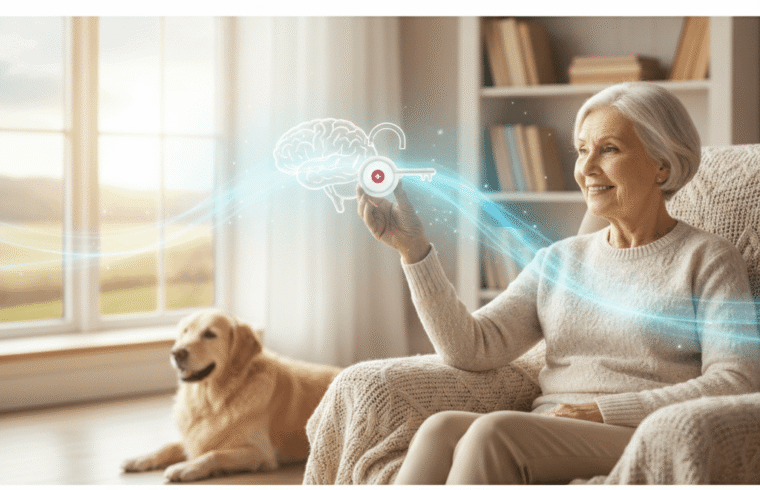
As someone who regularly writes about solutions for everyday challenges, I often think about how technology makes our lives safer. One area that truly stands out is the world of medical alert devices. These simple gadgets are not just about calling for help when an emergency hits. They are about granting seniors and individuals with health concerns a profound sense of independence and security.
I have seen firsthand how worry can overshadow daily life for families with aging loved ones. Concerns about falls, sudden health changes, or not being able to reach assistance quickly are very real. This is where medical alert systems step in as a crucial support. They offer a direct line to help, reassuring everyone involved that assistance is just a button press away.
Many of us want to live in our own homes for as long as possible. Medical alert devices make this desire a safer reality. They provide a vital safety net. I will explain what these devices are, how they work, and why they are such a valuable addition to any home where peace of mind is a top priority.
Understanding Medical Alert Devices and How They Work
Medical alert devices are personal emergency response systems. They provide immediate access to help during an emergency. This could be a fall, a sudden illness, or any situation where a person needs assistance fast. I have learned that these systems are designed for simplicity and reliability. They come in various forms but share a common goal of connecting individuals to emergency services or caregivers quickly.
The basic setup usually includes a base unit and a wearable button. The base unit connects to a monitoring center either through a landline or a cellular network. The wearable button, often a pendant or wristband, activates the system. When the button is pressed, it sends a signal to the base unit. The base unit then contacts the monitoring center. A trained operator speaks with the user through the base unit’s speakerphone to assess the situation.
If the user cannot speak or explain what is happening, the operator will immediately dispatch emergency services. They also contact family members or designated contacts. This quick response time is a huge benefit, especially in situations like falls where every minute counts. The devices are made to be easy to use for people of all ages and technical abilities.
Types of Medical Alert Systems Available
The market for medical alert systems has grown quite a bit. There are now several options to fit different needs and lifestyles. We can categorize them into a few main types. Each one offers specific features designed to offer the best protection.
First, there are the traditional in-home systems. These are ideal for individuals who spend most of their time at home. They consist of a base station plugged into a power outlet and a phone line or using a cellular connection. The wearable button has a range that covers most homes and yards. This provides good coverage for daily activities around the house.
Then, we have mobile medical alert systems. These are perfect for active individuals who want protection when they are away from home. These devices use cellular technology and GPS tracking. This means help can be located even if the user is out shopping, walking in the park, or visiting friends. Many mobile units are small and easy to carry, often worn as a pendant.
Finally, some systems offer fall detection technology. This is a very important feature for those at high risk of falling. The device has sensors that can detect a fall and automatically alert the monitoring center. This is incredibly helpful if a person falls and cannot press their help button. It adds an extra layer of safety, giving both users and their families greater peace of mind. These systems represent a significant advancement in personal safety technology.
Key Benefits of Having a Medical Alert Device
The benefits of owning a medical alert device extend far beyond simple emergency response. I believe they fundamentally change the quality of life for many individuals. These systems enhance safety and foster a greater sense of autonomy. This allows people to maintain their preferred lifestyle with confidence. The positive impact on both users and their families is truly remarkable.
A primary benefit is the increased independence it offers. Seniors often fear losing their ability to live alone. A medical alert device helps them stay in their homes longer. They know that if an accident happens, help is readily available. This independence supports mental and emotional well-being. It reduces the feeling of being a burden on family members.
Another crucial advantage is the fast access to emergency assistance. In a medical emergency, time is critical. A quick response can minimize injury, prevent complications, and sometimes even save a life. Medical alert systems connect users to trained professionals in seconds. These professionals can dispatch the right kind of help without delay. This efficiency is something I find incredibly valuable.
The peace of mind for family members is also a significant factor. Knowing that a loved one is protected by a reliable system can alleviate constant worry. Family members do not have to check in as often. They can trust that their loved one will receive prompt attention if an issue arises. This security allows families to live their own lives with less stress and anxiety.
I have also seen how these devices can prevent more serious health issues. A fall that goes unnoticed for hours can lead to hypothermia, dehydration, or other severe complications. With automatic fall detection or a quick press of a button, help arrives sooner. This reduces the risk of long-term damage and supports a quicker recovery. It is a proactive step toward maintaining overall health and safety.
Choosing the Right Device for Your Needs
Picking the correct medical alert device can seem overwhelming. There are many options available. I always tell people to consider a few key factors to make an informed decision. Thinking about individual lifestyle, health needs, and budget will guide you to the best choice. It is not a one-size-fits-all product so a little research goes a long way.
First, think about the user’s daily routine. Is the person mostly at home, or do they go out often? If they stay home, an in-home system with a good range might be enough. If they are active and enjoy outings, a mobile system with GPS tracking is much better. I find that matching the device to the user’s activity level ensures constant protection.
Second, consider any specific health risks. If falls are a major concern, I highly recommend a system with automatic fall detection. This feature can be a lifesaver if a person loses consciousness or cannot reach their button. Some devices also offer medication reminders or activity monitoring. These features add extra layers of care for those with complex health needs.
Budget is also a practical consideration. Costs can vary depending on features, monitoring plans, and equipment fees. It is wise to compare different providers and their offerings. Some companies have activation fees while others have monthly subscriptions. I advise looking at the total cost of ownership and what is included in the service. Making sure the cost fits your financial plan is essential for long-term satisfaction.
Installation and Setup: What to Expect
Setting up a medical alert device is usually a straightforward process. Most systems are designed for easy installation, so professional help is not always needed. I find that this simplicity removes a barrier for many families who might feel intimidated by new technology. Understanding what to expect can make the process even smoother.
For most in-home systems, the setup involves a few simple steps. The base unit needs to be placed in a central location in the home. It then plugs into a power outlet and a phone jack for landline versions. For cellular models, it just needs power. The wearable button is already paired with the base unit. Once powered on, a test call is usually made to the monitoring center. This confirms that the system is working correctly. The monitoring center operator will talk to you during this test. They ensure everything is connected and ready.
Mobile systems are often even simpler. They usually arrive pre-programmed and ready to use. Users just need to charge the device and wear it. A test call is also recommended for mobile units. This ensures the cellular connection and GPS functionality are active. I always suggest doing a few test calls in different locations. This confirms reliable signal strength wherever the user plans to go.
After the initial setup, it is important to practice using the device. Everyone who might use it should know how to press the button and speak to the operator. This helps users feel comfortable and confident with their new system. We also make sure all emergency contacts are up to date with the provider. This detail is very important for effective response in an actual emergency.
Addressing Common Concerns About Medical Alert Systems
When considering a medical alert device, people often have questions and concerns. I want to address some of the most common ones. My goal is to provide clear answers so you can feel fully informed about these vital safety tools. Many worries stem from a lack of understanding. I aim to clear those up now.
A frequent concern is about false alarms. Some people worry about pressing the button by mistake. I assure them that this is not an issue. When a button is pressed, the monitoring center first speaks with the user. If it is a false alarm, they simply close the call. There is no penalty or embarrassment for accidental presses. It is always better to press it and be safe than to hesitate when real help is needed.
Another common question is about wearing the device. Will it be comfortable? Will it interfere with daily activities? Most medical alert devices are lightweight and designed for constant wear. They are often waterproof. This means they can be worn in the shower which is a common place for falls. Many designs are discreet, so they do not feel conspicuous. We emphasize that wearing the device at all times provides the best protection.
I also hear questions about battery life. Users want to know if they need to constantly charge their devices. Wearable buttons typically have long-lasting batteries that last for years. The base units are usually plugged in. Mobile devices need daily charging like a cell phone. Providers offer clear instructions on charging routines. This ensures the device is always ready. It is a simple habit to adopt.
Finally, some people wonder about privacy and data security. Medical alert companies are serious about protecting personal information. They follow strict guidelines. The data collected, such as location for mobile units, is used only for emergency response. It is not shared or sold. I always recommend reviewing a company’s privacy policy. This ensures you understand their practices.
The Future of Medical Alert Technology
The field of medical alert technology is always changing. I find it exciting to see how new innovations are making these devices even more effective and user-friendly. We are moving beyond simple button-press systems. The future promises more integrated and proactive solutions. These will offer even greater peace of mind for users and their families.
One major trend is the integration with smart home technology. Imagine a medical alert system that can turn on lights if you fall. Or one that can adjust the thermostat if it senses a sudden change in your body temperature. These connections create a more responsive and intelligent safety net. They do not just react to emergencies. They actively work to prevent them or lessen their impact. This level of interconnectedness is very promising.
We are also seeing advancements in proactive health monitoring. Future devices might track vital signs like heart rate, blood pressure, and sleep patterns. They could then alert caregivers to subtle changes that might indicate a developing health issue. This shifts the focus from emergency response to early intervention. It allows for timely medical attention before a minor problem becomes a major crisis. This is a game-changer for preventative care.
Improved artificial intelligence and machine learning will play a big part. These technologies can analyze data from devices to predict potential risks. For example, AI might learn a user’s walking patterns. It could then detect a slight change that suggests an increased fall risk. This data-driven approach allows for personalized safety recommendations and earlier support. The goal is to keep people safe and healthy in their homes for longer periods.
I also expect to see more customization options. Devices will be tailored to individual preferences and specific medical conditions. This might include specialized alerts for diabetes management or mental health support. The evolution of these systems means more personalized care. This will ensure everyone gets the right kind of support for their unique needs.
Unlocking Peace of Mind with Medical Alert Devices
In closing, I believe medical alert devices are more than just emergency tools. They are vital instruments for extending independence and providing significant peace of mind. For those wondering if the investment is truly worthwhile, I encourage you to discover the details and consider the profound impact these systems can have. The ability to live confidently in your own home, knowing that immediate help is always available, is an invaluable asset. This security benefits not only the individual user but also their entire support network of family and friends.
We have covered how these devices work, from simple in-home units to advanced mobile systems with fall detection. We also discussed the many benefits they offer, like increased independence, rapid emergency response, and significant relief for worried family members. I addressed common concerns about false alarms, comfort, battery life, and privacy. Understanding these aspects helps in making an informed decision. The future of this technology looks even brighter, promising more integrated and proactive health monitoring solutions.
My hope is that this article has shed light on the true value of medical alert devices. They represent a smart, forward-thinking approach to personal safety and well-being. If you or a loved one are considering a medical alert system, I urge you to explore the options available. Take the step towards a safer, more independent future. This decision can truly change lives for the better, offering a strong foundation of security and calm in daily living.